


Koalas Nearly Lost Their Genetic Diversity But Their Comeback Is Rewriting the Story
by American Association for the Advancement of Science (AAAS) on March 5, 2026 at 7:00 pm
Koalas’ population comeback may be doing more than boosting numbers—it could also be rebuilding their lost genetic diversity. A new genomic study of koalas across Australia suggests that rapid population recovery may help restore genetic diversity that was lost during past declines. Researchers found that when populations grow quickly after a crash, genetic variation can […]

Drinking Water Source May Influence Parkinson’s Disease Risk
by American Academy of Neurology on March 5, 2026 at 5:10 pm
A large U.S. study suggests that the age and type of groundwater supplying drinking water may be linked to Parkinson’s disease risk. A new preliminary study suggests that the age of the groundwater supplying a community’s drinking water may be linked to the risk of Parkinson’s disease. The research will soon be presented at the […]
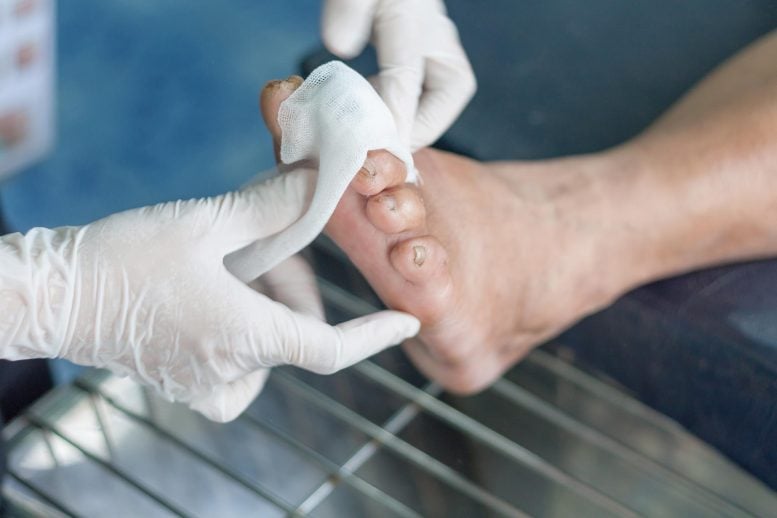
Why Diabetic Wounds Refuse To Heal: Scientists Uncover the Immune System’s Hidden Role
by Higher Education Press on March 5, 2026 at 4:35 pm
Why do diabetic wounds refuse to heal? A new scientific review highlights how disruptions in the timing and behavior of immune cells may hold the key to understanding this widespread medical challenge. Chronic diabetic ulcers are among the most serious and costly complications associated with diabetes. More than 131 million people around the world are […]
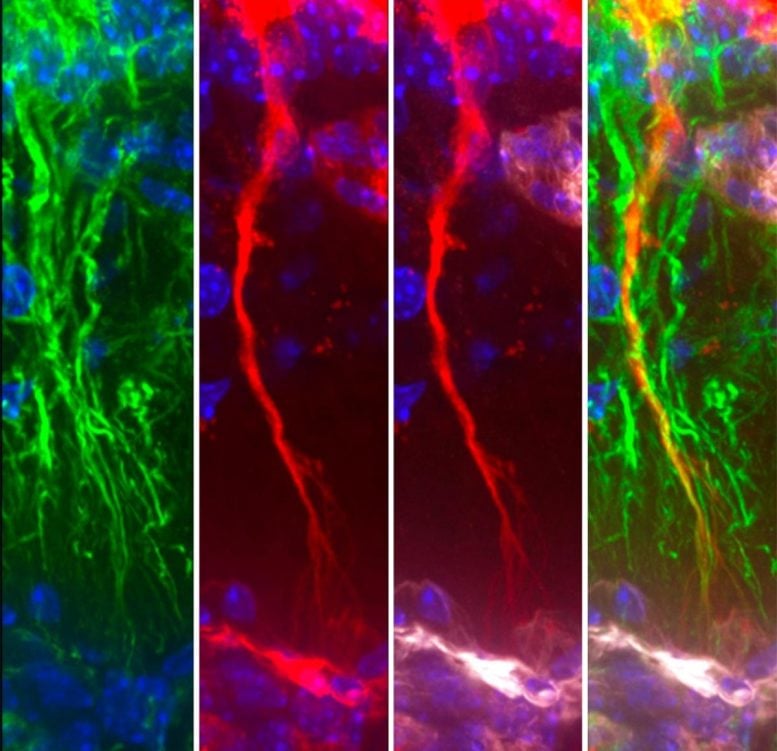
Scientists Discover Hidden Brain Cells That Remove Toxic Alzheimer’s Protein
by Cell Press on March 5, 2026 at 4:00 pm
Scientists have identified damaged brain “cleanup” cells called tanycytes as a possible reason toxic tau builds up in Alzheimer’s disease. A buildup of the protein tau in the brain is a defining feature of Alzheimer’s disease. In a study published today (March 5) in the Cell Press journal Cell Press Blue, scientists describe a newly […]
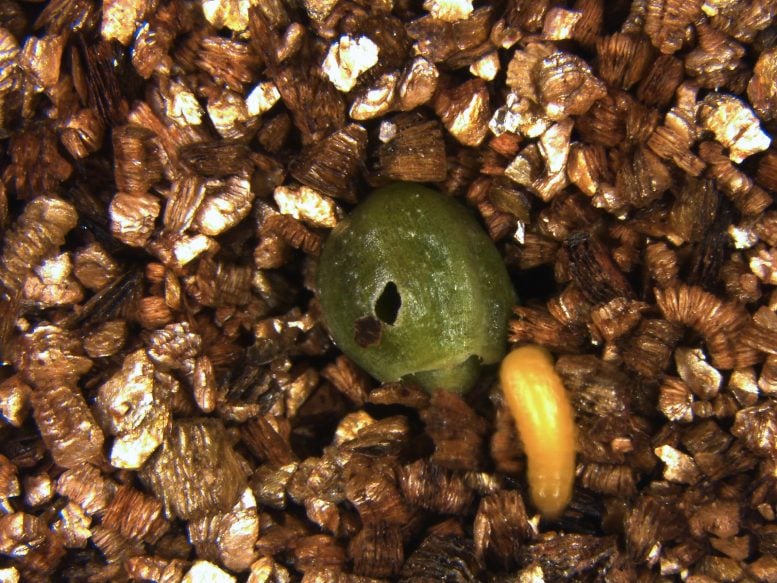
Why This Plant Drops Its Fruit Full of Beetle Babies
by Kobe University on March 5, 2026 at 3:00 pm
What looks like a plant’s failed fruit may actually be a clever deal that lets both the plant and its pollinating beetles survive. Japanese red elder plants protect their own survival by dropping fruits that contain Heterhelus beetle larvae. Surprisingly, this process also allows the beetle larvae to survive. According to a study from Kobe […]