

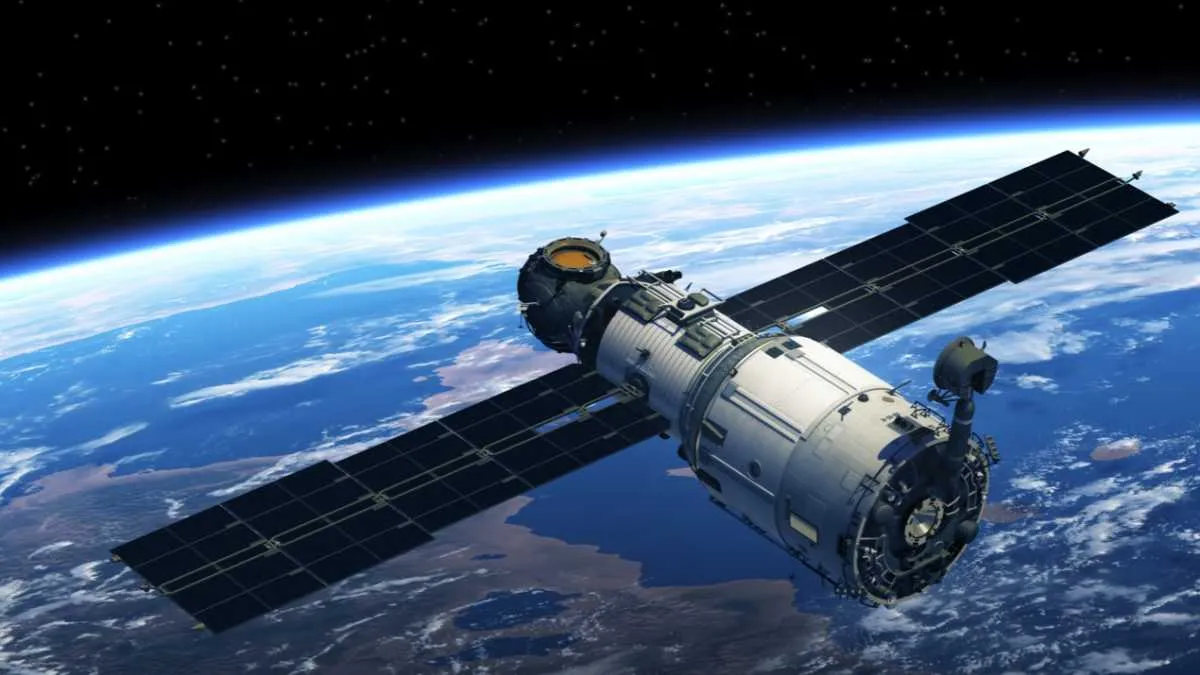
Modern satellites are high-tech machines orbiting Earth that make our lives easier and more connected than ever. They are used for communication, navigation, weather forecasting, scientific research, and even spying. Some satellites are small enough to fit in a backpack, called CubeSats, while others are massive, weighing tons.
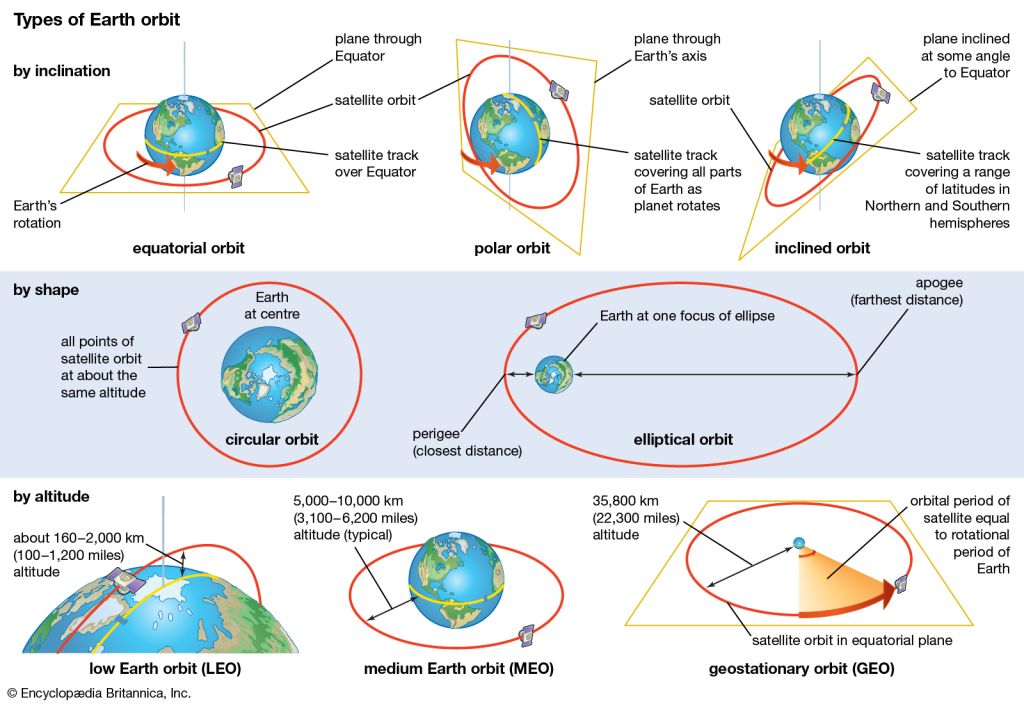
Satellites stay in orbit because they are moving fast enough that gravity pulls them around Earth instead of down. Depending on their mission, satellites may orbit low (a few hundred km) for imaging, medium for navigation, or high (geostationary) to stay over one spot for communications.
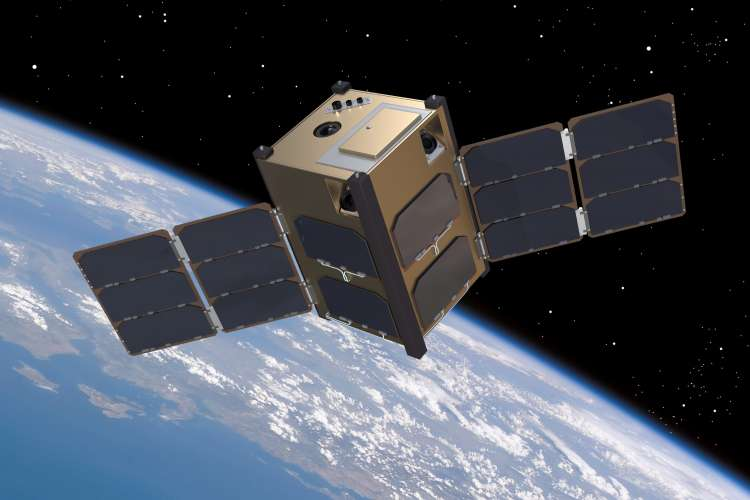
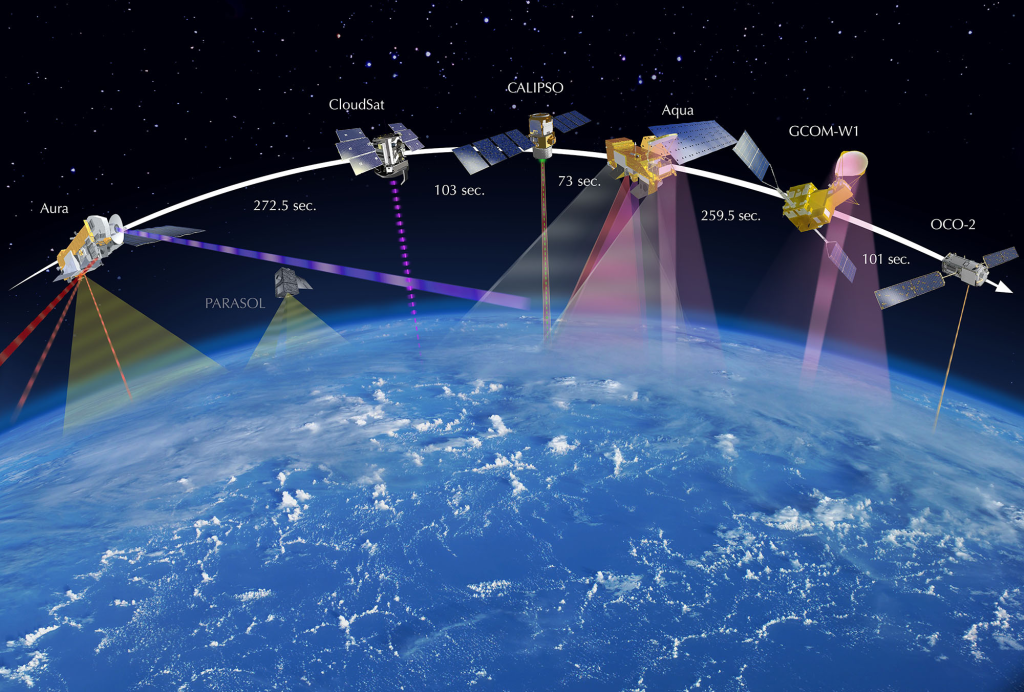
Modern satellites often use solar panels for power and advanced sensors and cameras to gather data. They help us track hurricanes, map the Earth, provide GPS for phones and cars, and even study climate change. Companies like SpaceX, OneWeb, and Amazon are now launching mega-constellations of hundreds or thousands of small satellites to provide internet access to the entire globe.
Satellites are a crucial part of modern life, quietly orbiting overhead, connecting the world, monitoring our planet, and even preparing humanity for future space exploration.
Modern Satellite Facts
Space Cleanup – Old satellites become space debris, which orbits Earth and must be tracked to prevent collisions with working satellites.
Size Variety – Satellites range from tiny CubeSats the size of a shoebox to huge satellites weighing several tons.
Orbit Types – Some satellites orbit low (200–2,000 km) for Earth imaging, medium for navigation like GPS, and high (36,000 km) to stay in one spot over Earth (geostationary orbit).
Speedy Travelers – Low Earth Orbit satellites travel at about 28,000 km/h (17,500 mph)—fast enough to circle the Earth in about 90 minutes!
Power from the Sun – Most satellites use solar panels for energy and batteries for backup when they pass into Earth’s shadow.
Global Communication – Satellites make phone calls, TV broadcasts, internet, and GPS possible anywhere on Earth.
Weather Watchers – Satellites track hurricanes, storms, and climate patterns, giving meteorologists real-time data to predict weather disasters.
Mega-Constellations – Companies like SpaceX and OneWeb are launching thousands of small satellites to provide global internet coverage.
Earth Observation – Satellites can detect forest fires, deforestation, water pollution, and melting glaciers, helping monitor environmental changes.
Long Lifespan – Many satellites operate for 10–15 years before being retired, though some last even longer with careful maintenance.