

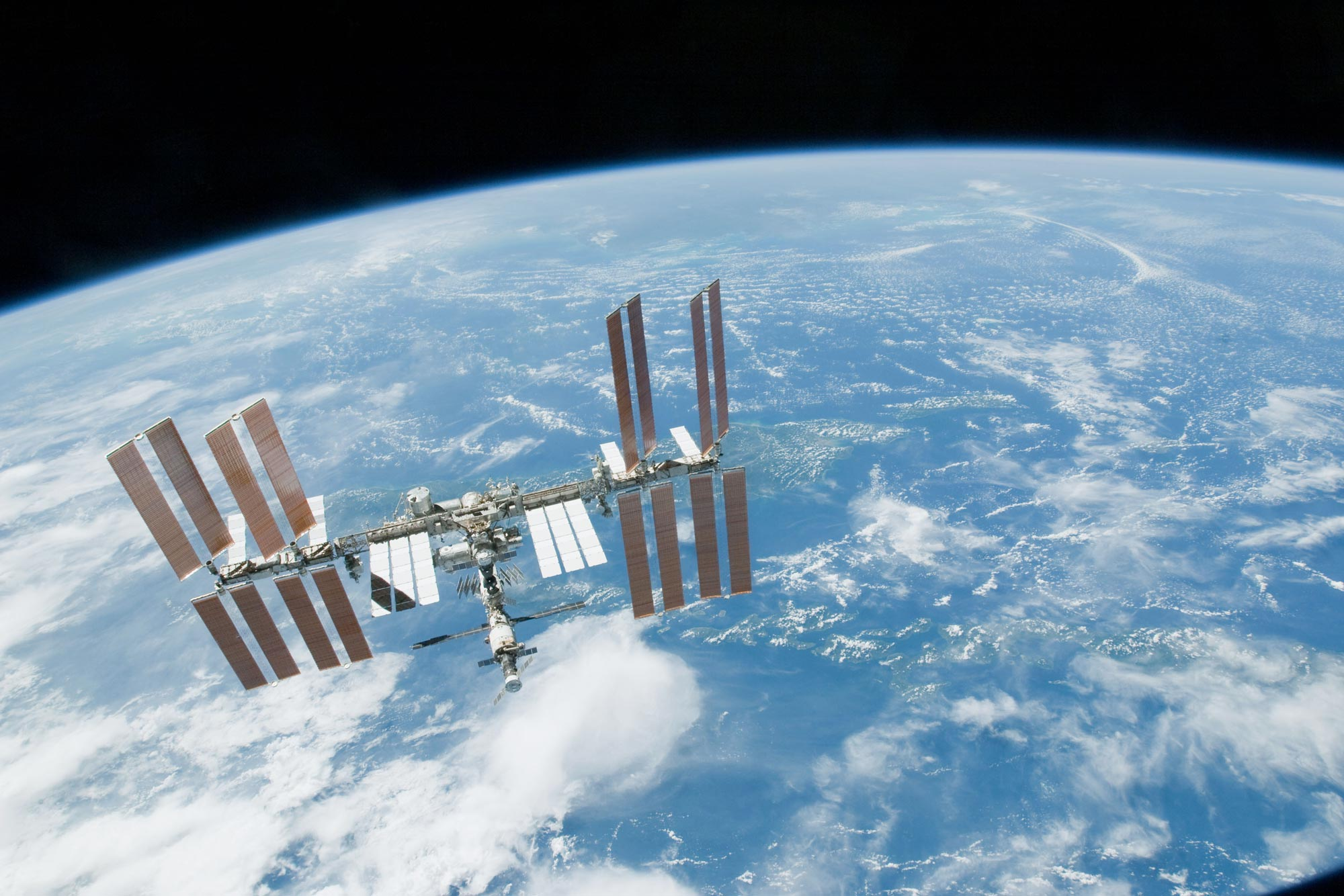
Being an astronaut in space is one of the most extreme and exciting jobs on Earth—or off it! Astronauts live and work in microgravity, which means everything floats. Simple tasks, like eating or brushing your teeth, require new techniques, and even a floating pencil can become a “dangerous projectile.”
In space, astronauts experience breathtaking views of Earth from orbit, seeing continents, oceans, and weather systems from hundreds of kilometers above. They perform scientific experiments that are impossible on Earth, study how the human body reacts to zero gravity, and maintain spacecraft like the International Space Station (ISS).
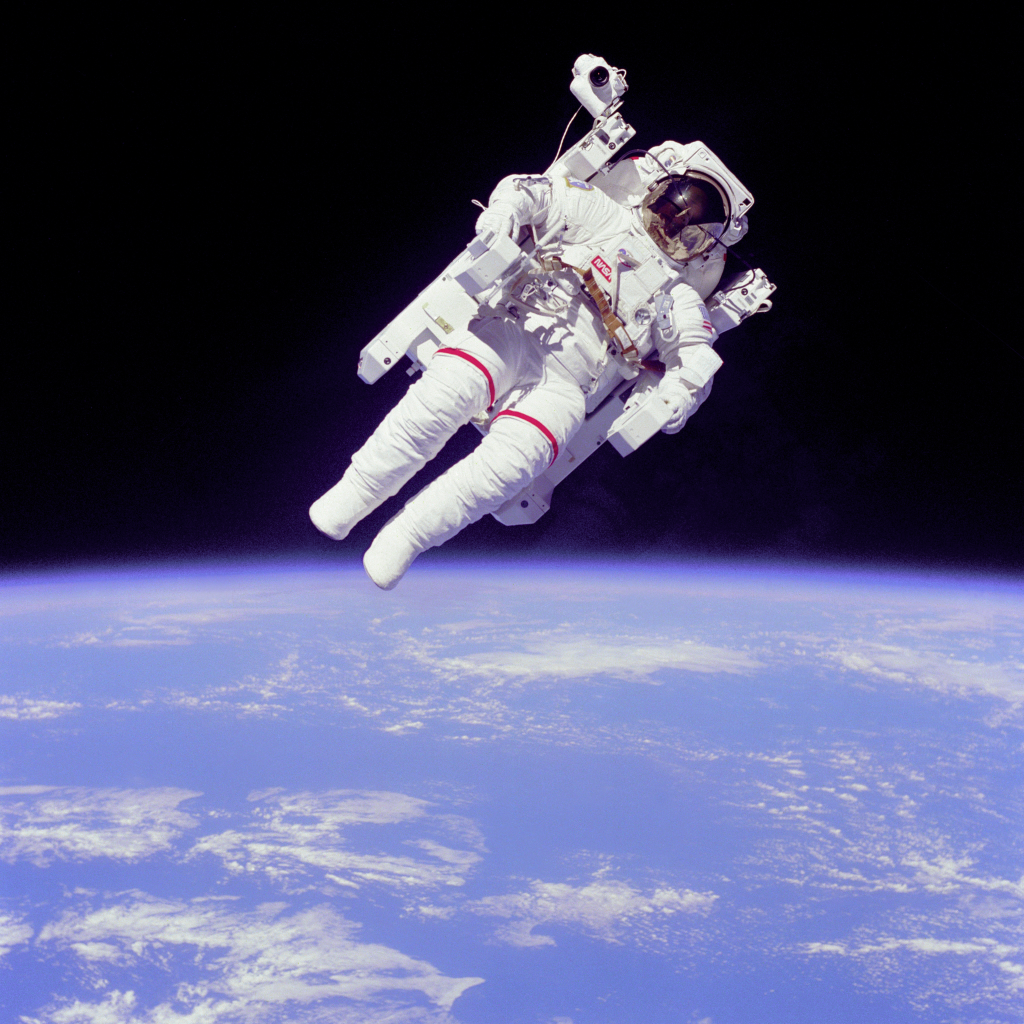
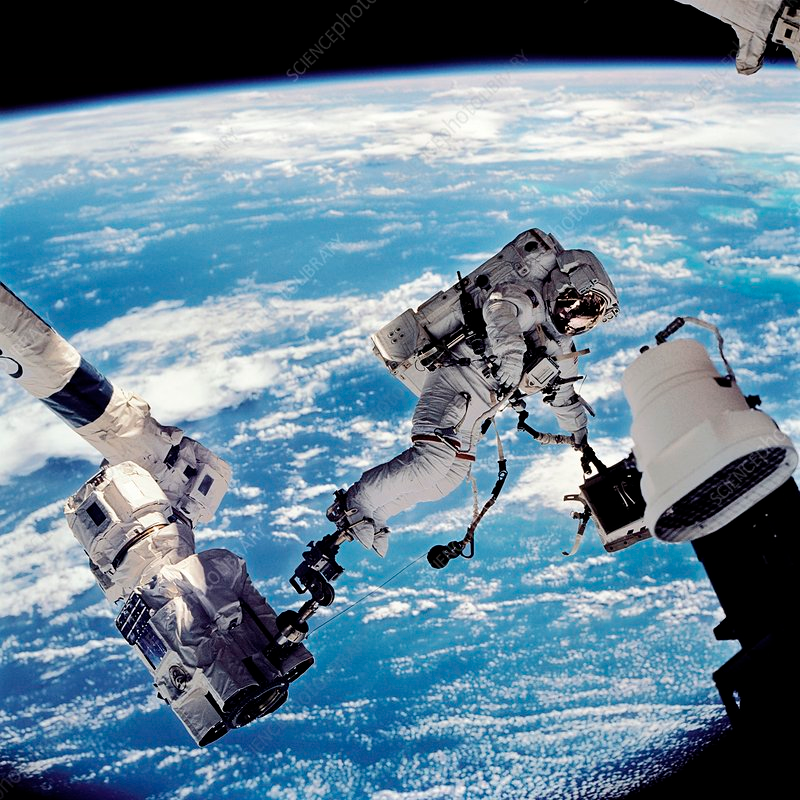
Astronauts must be highly trained in science, engineering, and survival skills. They exercise for hours each day to counteract muscle and bone loss in space and carefully monitor their diet, sleep, and health. Wearing a spacesuit during spacewalks protects them from extreme temperatures, radiation, and the vacuum of space.
Being in space isn’t just about science—it’s about pushing human limits, teamwork, and exploration. Every orbit is a chance to discover more about our planet, our solar system, and what it takes to survive beyond Earth.
Cool Astronaut Facts
- Floating All the Time – Astronauts live in microgravity, so they float everywhere. Even their food has to be specially packaged to avoid floating crumbs.
- Spacewalks Are Extreme – Spacewalks, called extravehicular activities (EVAs), expose astronauts to vacuum, radiation, and temperatures from -150°C to 120°C (-238°F to 248°F).
- Height Changes – In space, astronauts can grow up to 2 inches taller because their spine stretches without gravity compressing it.
- Muscles and Bones Shrink – Without gravity, bones and muscles weaken, so astronauts exercise 2 hours a day to stay healthy.
- Eyesight Changes – Some astronauts experience vision problems after long missions due to fluid shifts in the body.
- Amazing Views – Astronauts call seeing Earth from space the “Overview Effect”—a profound feeling of how small and connected our planet is.
- Sleeping in Space – Astronauts sleep in specially designed sleeping bags attached to walls, ceilings, or bunks, because they would float away otherwise.
- Space Food – From freeze-dried ice cream to tortillas, astronauts eat specially prepared foods. Drinking water comes from recycled urine and condensation!
- Training Is Crazy – Astronauts train in underwater pools, zero-gravity planes, and simulators to prepare for space missions.
- Record Holders – The longest single spaceflight was 437 days by Russian cosmonaut Valeri Polyakov. That’s over a year floating above Earth!